Thursday, February 9, 2012

Vive la crise !


La crise n’a pas que des mauvais côtés. Elle peut aussi être une source d’inspiration, à l’exemple de ce texte plein d’humour et très bien tourné. Parfait pour améliorer son français ! Malheureusement, l’auteur de ce texte n’était pas mentionné. Si vous le connaissez, n’hésitez pas à nous le faire savoir !

«  Avec cette crise, tout le monde souffre
- Les problèmes des boulangers sont croissants
Alors que les bouchers veulent défendre leur steak
- Les éleveurs de volaille se font plumer
Et en ont assez d’être les dindons de la farce
- Les éleveurs de chiens sont aux abois
Les pêcheurs haussent le ton
Et bien sûr, les éleveurs de porcs sont dans la merde
- Les céréaliculteurs sont sur la paille
Alors que les brasseurs sont sous pression
- Les viticulteurs trinquent
Heureusement, les électriciens résistent
Mais pour les couvreurs, c’est la tuile
Certains plombiers en ont ras-le-bol
Et les autres prennent la fuite
- Chez GM, les salariés débrayent
Et la direction fait marche arrière
- Les cheminots voulaient garder leur train de vie
Mais la crise est arrivée sans crier gare
- Les veilleurs de nuit vivent au jour le jour
Et les carillonneurs ont le bourdon
- Les ambulanciers ruent dans les brancards
Pendant que les pédicures travaillent d’arrache-pied
- Les croupiers jouent le tout pour le tout
Les cordonniers sont mis à pied
Les dessinateurs font grise mine
Les exterminateurs ont le cafard
Des militaires partent en retraite
Et les policiers se sont arrêtés
- Les imprimeurs dépriment
Les météorologues aussi sont en dépression
Les pendus sont sur la corde raide
Les prostituées se retrouvent sur le trottoir
C’est vraiment une mauvaise passe… »
- Auteur Inconnu

Voilà un excellent exercice pour les professeurs de français langue étrangère !

Thursday, January 19, 2012

New words in the dictionary...

Now that 2011 is over, we can take a look back at the new words that were introduced to the various English dictionaries. The Merriam-Webster's Collegiate® Dictionary has come into the 21st century with tweet and social media. Other technology words include crowdsourcing and m-commerce. Pop culture is always a good source for new vocabulary. From television we get bromance and cougar. Sports has given us its fair share of references with duathlon and parkour. 

The Concise Oxford English Dictionary has added over 400 new words. Like the Merriam-Webster's Collegiate® Dictionary, many of the words are technology and social-media related, such as retweet, woot, noob, cyberbullying and sexting. From fashion we have jeggings and mankini.

Do you know what all these words mean? Do you think they have a place in the dictionary? What words do you think should be added to the dictionary?

See you next time!
Cheryl

Thursday, December 15, 2011

Paris insolite


Envie de rencontrer des Parisiens hors du commun ? 
Rendez-vous sur www.brevesdetrottoirs.com 

Réalisé par le journaliste Olivier Lambert et le photographe Thomas Salva, ce travail a été spécialement conçu pour Internet.

Sur le site, vous trouverez un plan de Paris avec des portraits. Cliquez sur l’un deux* pour découvrir un petit film sur un personnage étonnant. Entre Katja, la coiffeuse de 78 ans, Léo le libraire, Caroline, l’exploratrice de saveurs, François le marionnettiste ou bien encore Daniel, conducteur de bus improvisant une visite guidée de Paris pour ses passagers, vous découvrirez la capitale française avec un autre oeil. Poétique et dépaysant !


Bonnes rencontres parisiennes,


* l’un deux = any one of


Wednesday, December 7, 2011

Fête des Lumières


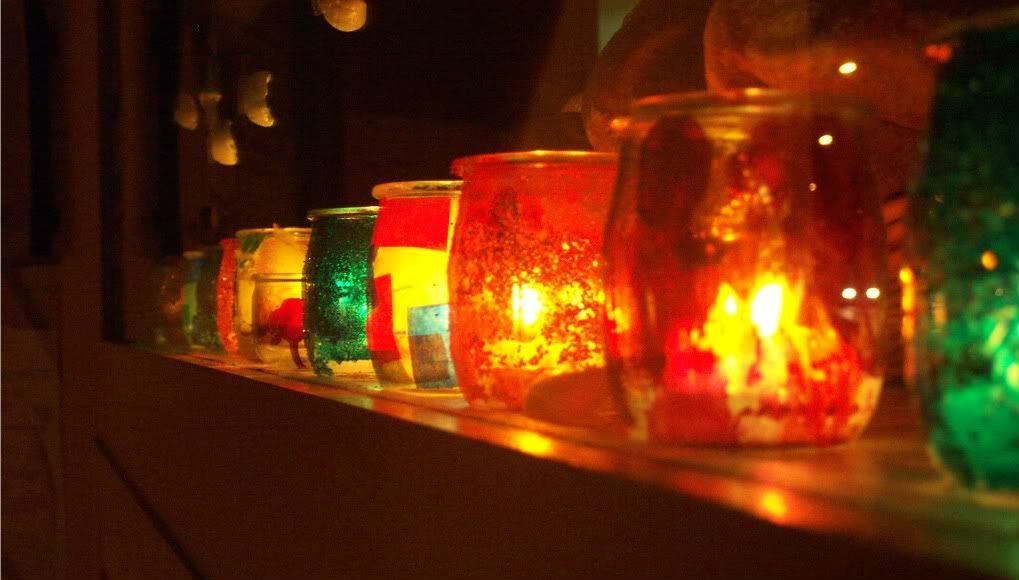
Every year on December 8th, the city of Lyon becomes a sparkling jewel as houses, businesses and apartment buildings are lit by millions of small votive candles on all their windowsills. The Fête des Lumières originated as a celebration of Mary, Jesus's mother. But over time, it has become for many a simple celebration of light and its beauty.

It's a fun way to really get into the Christmas spirit, with lights, candles, hot chestnuts and hot, spiced wine to drink in Lyon as well as in many of the little towns and villages surrounding the city. This year the celebration starts on December 8th and continues through the weekend. 


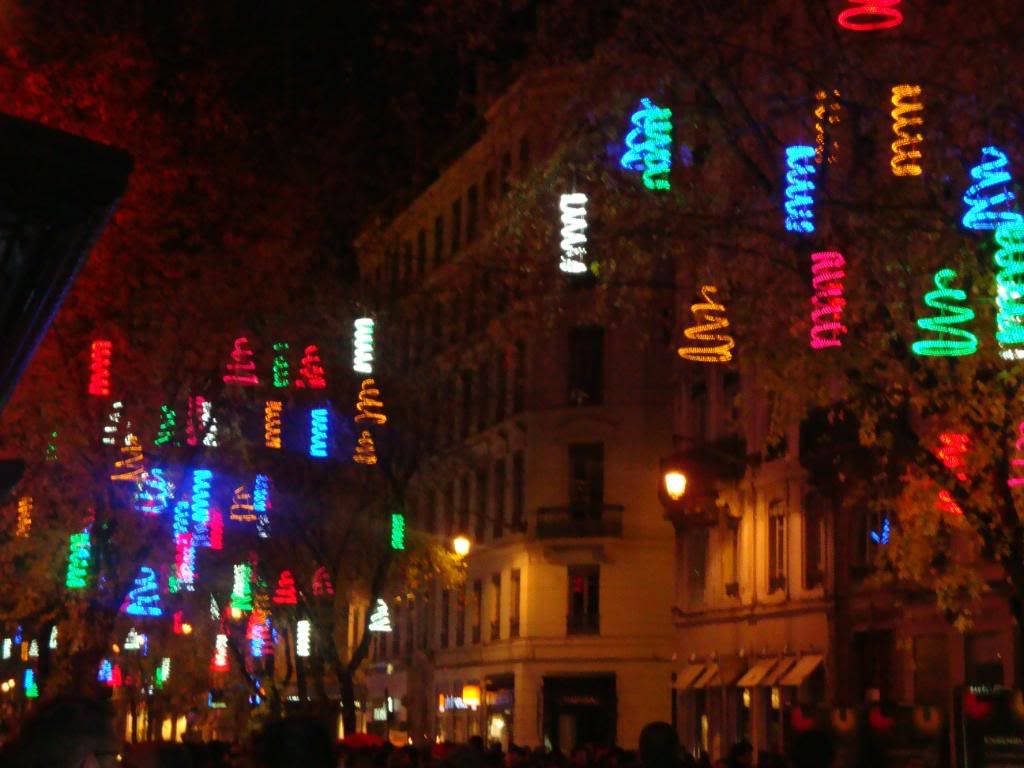
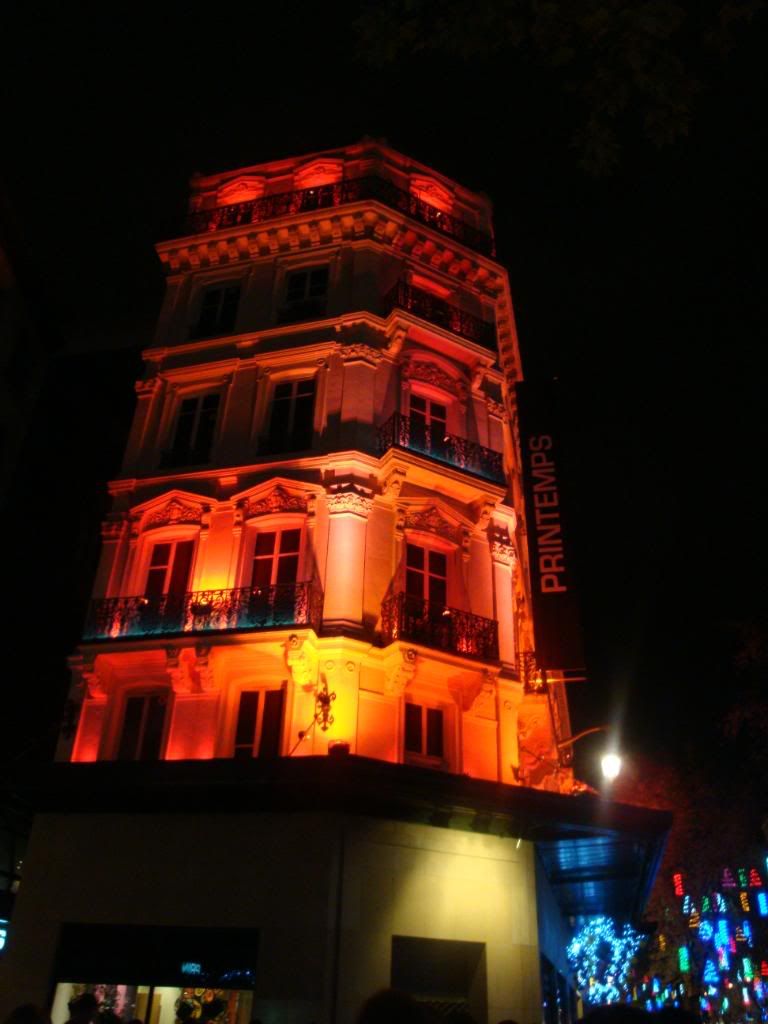
There is no way to describe in words Lyon's fairy-like quality during the festival, so I wanted to share it with a photo-tour.
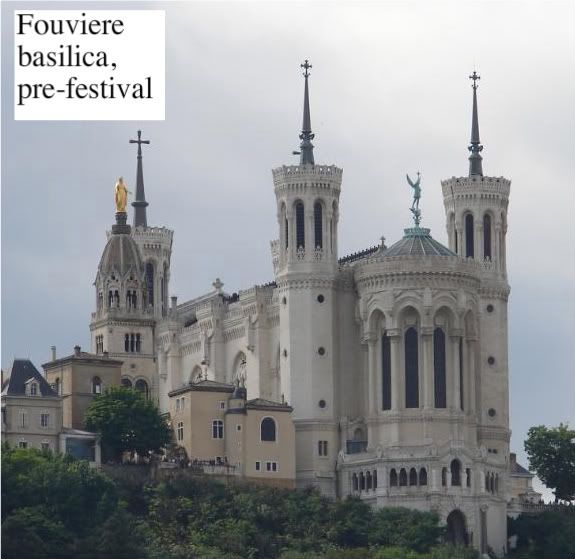
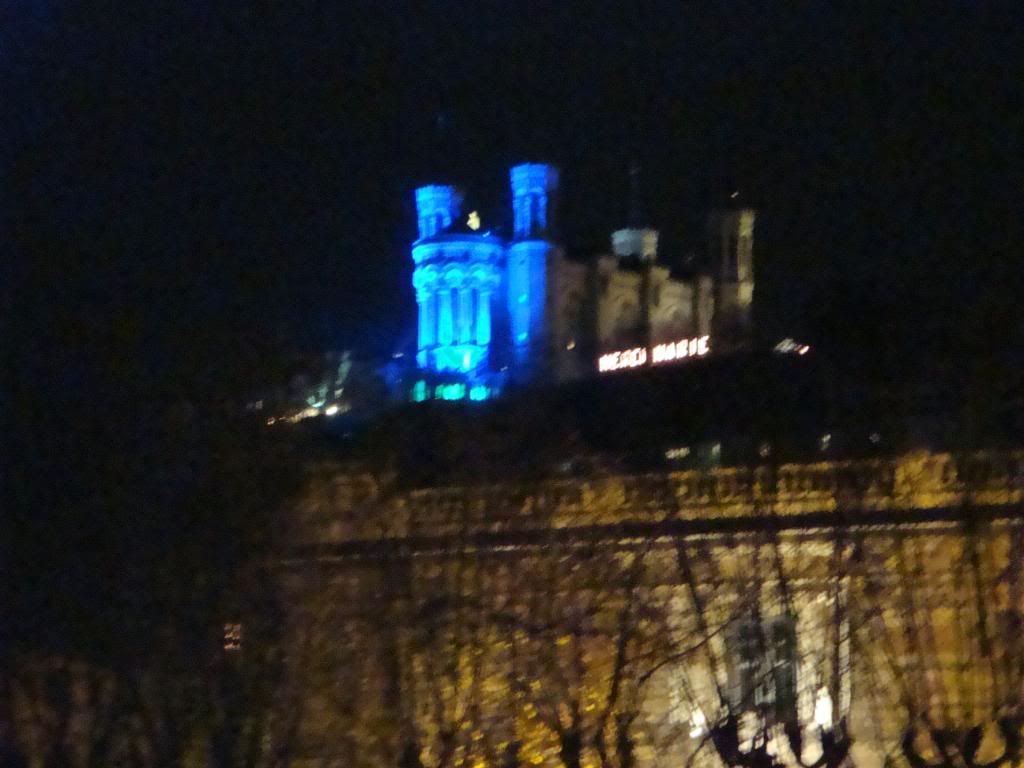
...and Fourviere during the festival


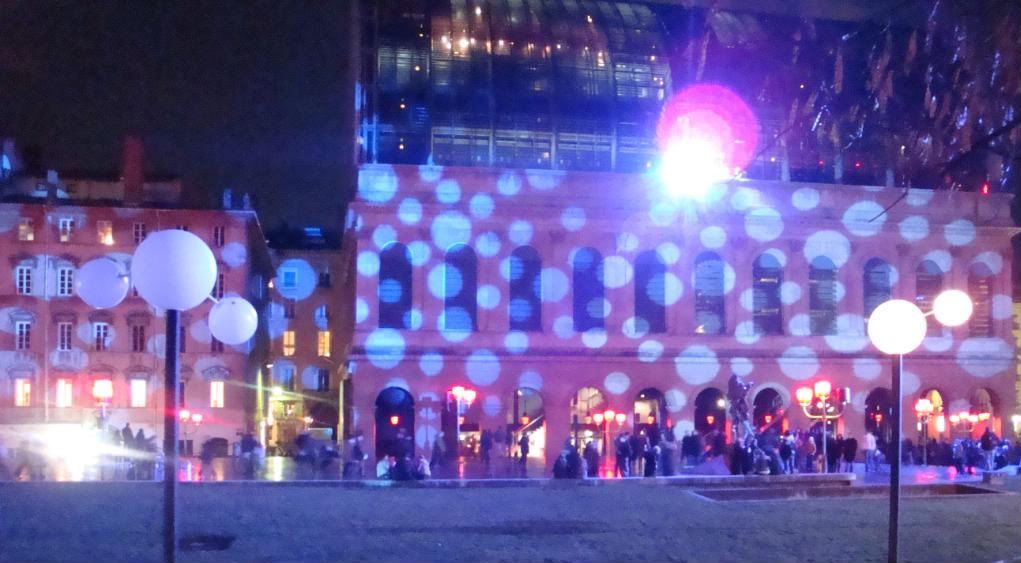
Many of the little squares (les places) and churches become canvases for light displays. Some tell stories and others are more abstract. All the shows run idependently from one another throughout the festival. Each light show runs on a continuous loop, with a soundtrack. Some even include narration. Festival-goers are able to then vote online for the 'Best of Festival' award.


Lyon Opera House, before its show.


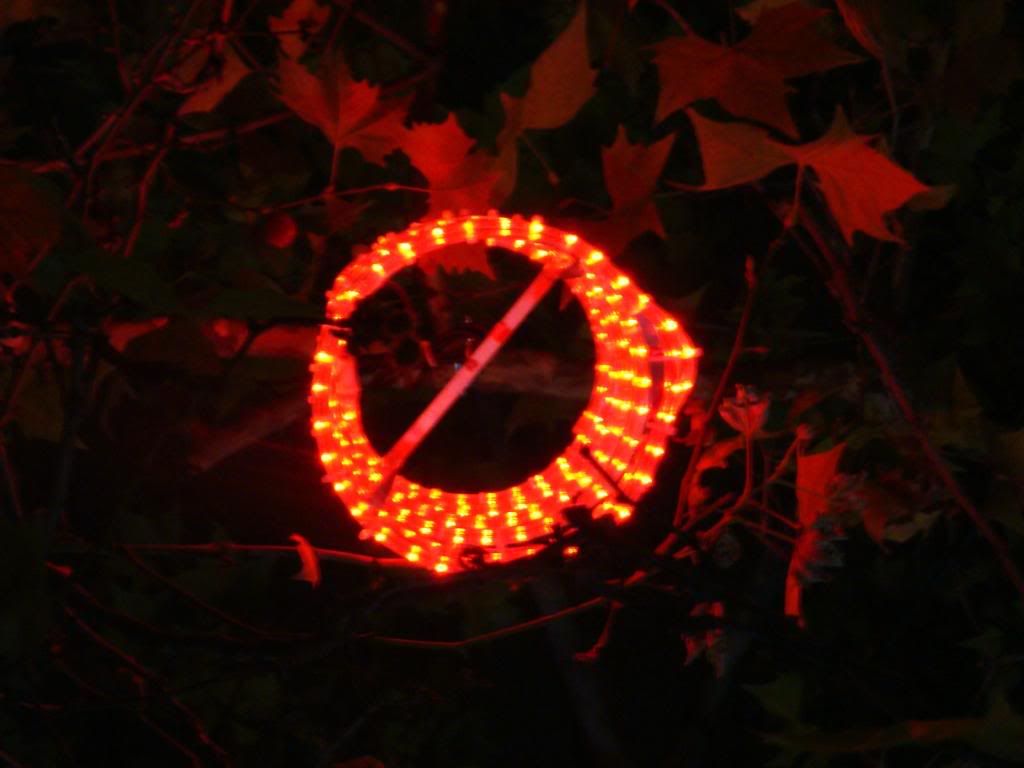
Walking along the streets on la presqu'île (presque= almost, île= island, so presqu'ile means 'almost-island', or, peninsula) there are lights of all kinds hung from almost anything, like this: 
 Have a light-filled holiday season!


Friday, November 4, 2011

Faire le tour du monde - en France !


Savez-vous qu’on peut rester en France et faire le tour du monde ? Voici des noms de villages français qui rappellent d’autres contrées plus lointaines !

- Allemagne-en-Provence, dans les Alpes-de-Haute-Provence
- Argentine, en Savoie
- Barcelonne, dans la Drôme 
- Les Déserts, en Savoie
- Montréal, dans le Gers
- Saint-Affrique, dans l’Aveyron
- Suisse, en Moselle
- Soudan en Loire-Atlantique
- Venise, dans le Doubs
- Vienne, dans l’Isère

Bon voyage !

Tuesday, October 18, 2011

Learn a foreign language!

"What do you call someone who speaks 2 languages? Bi-lingual. What do you call someone who speaks 3 languages? Tri-lingual. What do you call someone who only speaks one language? American."
 
Americans are often criticized by people in other countries because to be honest, we aren't all that great at learning foreign languages. But, to be fair, people usually rank their activities in priority order, giving greater weight to those things we feel we 'need' to do. In general, Americans don't feel a strong need to learn another language. Why?
 
The main reason is due to geography. Canada is mostly English-speaking, and Spanish, remains largely restricted to regions near the Mexican border (which is changing rapidly). The other reason is that English is quickly becoming the global language of science, commerce, and diplomacy (a title that used to be held by French). But it's different in other parts of the world. For example, here in France, my son is a Junior in high school. He started English classes, along with German, in 6th grade. He switched to Spanish in 8th grade. Most student learn at least 2 foreign languages (one of which is English), and it's not uncommon for students to pick up a third and sometimes even a fourth foreign language. Granted, Europe has many language zones packed into a relatively small space, so much of the language learning is done out of necessity. But we can learn an important lesson from the European language-learning model: if they can routinely learn additional languages, so can you!

As America becomes less isolated through travel and the Internet, geography will be less and less important. The sooner we understand that, the better. End result? We will see more and more of people learning new languages. What do you think about Americans and foreign languages? Do you feel that there are other countries, such as the UK, who are in the same linguistic 'boat'? Let me know in the comments section.
 
You can get started by going to www.languageroutes.com to pick up resources for learning French, Spanish and even English (for those of you teaching ESL/ESOL).